
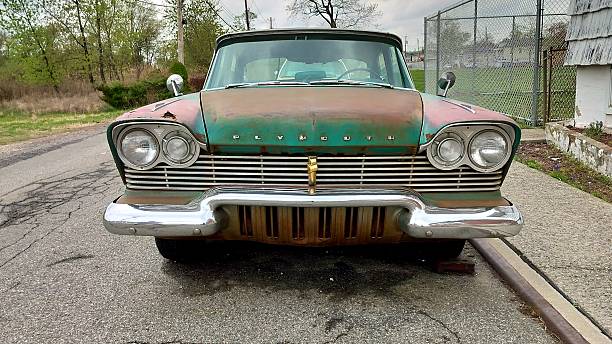
Almost everyone has encountered it at some point, a car that no longer serves a purpose. It might be sitting in the driveway, tucked away in the backyard, or parked on the street collecting dust. Over time, it becomes more than just unused. It turns into an obstacle, an eyesore, and something that quietly adds stress rather than value.
Across Melbourne and Victoria, many vehicle owners hold onto unwanted cars simply because they are unsure what to do next. Selling privately feels time-consuming, repairs don’t seem worthwhile, and letting it sit feels easier than dealing with the process. In reality, leaving an unused vehicle unattended often creates more issues than expected.
This article explains why keeping an unwanted car can become a problem, and how removing it responsibly, while still receiving money for it, can be a practical and informed decision.
When a Car Stops Being Useful
A car doesn’t need to be completely broken down to become a burden. Many vehicles are pushed aside for reasons such as:
- No longer running reliably
- Too costly to repair
- Unregistered or expired paperwork
- Replaced by a newer vehicle
- Left behind after relocation or lifestyle changes
Over time, these cars often remain untouched, slowly deteriorating and taking up space that could be better used.
The Hidden Issues of Leaving an Unwanted Car Sitting Around
Space and Accessibility
Driveways, garages, and yards are valuable areas. A vehicle that no longer moves can block access, limit parking, or reduce usable space around the property.
Visual Impact
An unused car often becomes worn quickly. Flat tyres, rust, peeling paint, or missing parts can affect how a property looks, especially in residential areas.
Local Council Concerns
In some cases, abandoned or deteriorating vehicles can attract council attention, particularly if parked on the street or visible from public areas.
Ongoing Responsibility
Even when unused, vehicle ownership still carries responsibility. Issues like ownership records, future fines, or environmental concerns don’t disappear just because the car isn’t being driven.
Why Removal Is Often Better Than Delaying
Many owners delay dealing with an unwanted vehicle because the process feels unclear. However, addressing it early often leads to better outcomes.
Removing an unused car can help:
- Clear space immediately
- Avoid future compliance or council issues
- Prevent further deterioration
- Resolve ownership cleanly and legally
For many people, it also provides closure on something that has been sitting unresolved for months or even years.
Can You Really Get Paid for an Unwanted Car?
Yes — in many cases, you can.
Vehicles that no longer look appealing or drive reliably may still hold value based on parts, materials, or market demand. This is where cash for cars services can apply, even when the vehicle isn’t in ideal condition.
The value depends on factors such as:
- Vehicle age and make
- Mechanical condition
- Completeness of the car
- Demand for parts or recycling
A realistic assessment focuses on what the vehicle is worth now, not what it once was.
How the Process Usually Works
Removing an unwanted car doesn’t need to be complicated. In most cases, the process follows a clear structure:
- Share basic details about the vehicle
- Receive an explanation of its assessed value
- Decide whether to proceed without pressure
- Arrange removal and complete ownership transfer
The car is taken away, and the issue is resolved in a single step rather than being dragged out.
Common Situations Where This Option Makes Sense
Old Cars That No Longer Run
Vehicles that have been sitting idle often require more work than they are worth. Removal avoids repair costs that don’t add value.
Cars Left After Moving or Upgrading
Sometimes cars are left behind after purchasing a new vehicle or relocating. Dealing with them later becomes easier than expected.
Unregistered or Non-Compliant Vehicles
If registration has lapsed and renewal isn’t practical, selling avoids ongoing complications.
Properties Being Cleared or Prepared for Sale
Clearing unused vehicles can improve access and presentation before renovations or property changes.
Environmental Responsibility Matters
Leaving a car unused for long periods can lead to leaks, corrosion, and environmental impact. Responsible removal ensures that usable parts are recycled and materials are handled correctly.
Licensed buyers in Victoria follow regulations that support safe disposal and recycling practices, especially for vehicles no longer suitable for the road.
Unwanted Car Removal Overview
| Situation | Practical Outcome |
| Car not running | Assessed for parts or recycling |
| Taking up space | Removed directly from the property |
| Visually deteriorating | Issue resolved quickly |
| Unregistered | Ownership closed correctly |
| No private buyer interest | Alternative option available |
Case Study 1: Backyard Vehicle Taking Up Space
A Melbourne homeowner had an older hatchback sitting unused in the backyard for several years. The vehicle was unregistered, had mechanical issues, and was increasingly in the way during property maintenance.
After sharing the vehicle details, it was assessed and removed without the owner needing to prepare or repair anything. The space was cleared, and the ownership matter was resolved properly.
Case Study 2: Replaced Vehicle Left in the Driveway
A family upgraded to a newer car but kept the old one parked in the driveway, unsure how to sell it privately. Over time, the vehicle deteriorated and became an inconvenience.
Instead of listing it online, they chose to have it assessed and removed. The process allowed them to clear the driveway and receive payment without extended negotiations.
When You’re Unsure, Asking Is the First Step
Not every unwanted car fits neatly into a standard category. Some still run, others don’t. Some look fine, others clearly don’t belong on the road anymore. If you’re unsure whether a vehicle can be removed or whether it holds value, asking early helps clarify your options.
Sharing basic details allows for accurate guidance without obligation. It also helps prevent unnecessary delays that can make the situation harder to resolve later.
Frequently Asked Questions
Does the car need to be running?
No. Many unwanted vehicles are non-operational and are still assessed based on condition and material value.
Do I need to clean or repair the car first?
No preparation is usually required. Vehicles are evaluated as they are.
What if the car has been sitting for years?
Cars that have been unused for long periods are common and can still be removed responsibly.
Is this option legal in Victoria?
Yes. Licensed motor car traders handle ownership transfer and disposal according to Victorian regulations.
Can this apply to cars parked at homes or properties?
Yes. Vehicles located at residential properties are commonly removed once arrangements are confirmed.