
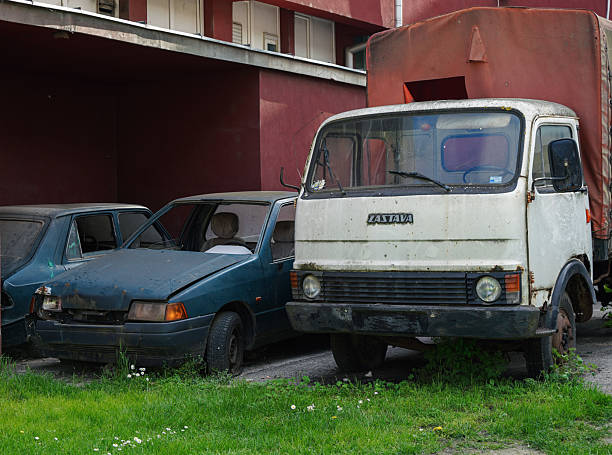
Not every car fits neatly into an online price guide. Some vehicles are rare, modified, older, imported, or simply uncommon enough that there are no comparable listings available. When there is nothing similar for sale, owners are often left guessing what their car might actually be worth.
This uncertainty can make selling stressful. Online tools give broad estimates. Private buyers often offer wildly different opinions. In many cases, owners delay selling simply because they do not trust the numbers they are seeing.
At Victorian Car Buyers, valuing uncommon and difficult-to-compare vehicles is a regular part of our work. With long-term experience across Melbourne and Victoria, we assess cars based on real market behaviour rather than guesswork or automated formulas.
Why Some Cars Are Hard to Value
Many people assume every car has a clear market price. In reality, several factors can make valuation difficult.
Limited or No Comparable Listings
If there are no similar cars currently listed for sale, price comparison becomes unreliable. This is common with discontinued models, older vehicles, or cars sold in low numbers.
Modified or Non Standard Vehicles
Changes to engines, bodywork, suspension, or interiors can significantly affect value. Modifications do not always increase worth and may reduce buyer demand.
Imported or Rare Models
Grey imports or vehicles not originally sold widely in Australia often fall outside standard pricing guides.
Vehicles with Mixed Condition Factors
A car may have low kilometres but cosmetic damage, or strong mechanical condition with registration issues. These combinations are difficult to price using generic tools.
Why Online Valuation Tools Often Fall Short
Online calculators are useful for common vehicles, but they rely heavily on averages. They typically do not account for:
Actual local demand in Victoria
Unusual specifications or variations
Mechanical condition beyond basic categories
Repair or recycling potential
Market shifts caused by parts demand or scarcity
As a result, owners may see prices that feel unrealistic, either too high to be believable or far lower than expected.
How Experienced Valuation Actually Works
Valuing a unique or uncommon car requires human judgement backed by long-term exposure to real transactions.
At Victorian Car Buyers, assessment focuses on several practical factors.
Condition and Usability
This includes engine performance, body integrity, interior condition, and whether the vehicle can be driven or moved.
Age and Remaining Life
Rather than focusing only on build year, we consider how much functional life the vehicle realistically has left.
Demand in Melbourne and Victoria
Some vehicles have niche demand locally even if they are uncommon nationally.
Parts Value and Repair Potential
In certain cases, value comes from parts, rebuild potential, or suitability for secondary markets.
Legal and Registration Status
Registered, unregistered, or previously written-off vehicles are all assessed differently.
When There Is No Comparison, Experience Matters Most
When no similar vehicles are available for comparison, experience becomes the primary reference point. Over time, consistent exposure to different vehicle types builds an understanding of what buyers are actually willing to pay.
This approach avoids inflated promises and avoids undervaluing vehicles simply because they are uncommon.
For owners exploring cash for cars options, this means pricing is based on reality rather than assumptions.
Common Situations Where Owners Feel Unsure About Value
Older Cars in Good Mechanical Condition
Some older vehicles run well but appear outdated. Their value depends more on reliability than appearance.
Vehicles with Previous Damage
Repaired or partially damaged cars often fall outside standard price brackets.
Low Kilometre but Aged Vehicles
Low usage does not always equal high value. Storage conditions and maintenance history matter.
Cars No Longer Actively Sold
Once a model disappears from the market, public price references quickly fade.
What Happens When You Ask for an Assessment
If you are unsure what your car is worth, starting with a conversation is often the simplest step.
The process usually involves:
Sharing basic vehicle details
Discussing known issues or history
Explaining how value is determined
Receiving a clear and realistic price explanation
Having time to consider the information
There is no requirement to already know the value. The purpose is clarity, not pressure.
Example Valuation Scenarios
Vehicle Situation
How Value Is Determined
Rare model with no listings
Condition and demand history
Modified vehicle
Practical usability and buyer appeal
Older car with low kilometres
Mechanical health and lifespan
Unregistered vehicle
Repair potential and parts value
Non running car
Component and recovery value
Case Study 1: Discontinued Hatchback With No Market Listings
A Melbourne owner had a discontinued hatchback model with no similar vehicles listed online. Private buyers offered inconsistent prices with no explanation.
After reviewing condition, mileage, and parts demand, the vehicle was valued based on actual resale potential rather than guesswork. The owner was able to make an informed decision without relying on unreliable comparisons.
Case Study 2: Modified Sedan With Mixed Feedback
A sedan with performance modifications received conflicting opinions from buyers. Some viewed the changes as upgrades, others as drawbacks.
By assessing mechanical quality, modification standards, and local demand, the vehicle was priced realistically. The owner gained a clear understanding of how the modifications affected value rather than relying on assumptions.
Why Clear Valuation Helps Owners Make Better Decisions
Understanding what a car is realistically worth allows owners to:
Decide whether selling makes sense now
Avoid wasted time with unsuitable buyers
Set realistic expectations
Choose the most appropriate selling method
Clarity is often more valuable than chasing the highest possible number.
Licensed and Responsible Assessment
All valuations and purchases are handled through a licensed motor car trader in Victoria. Where vehicles are unsuitable for resale, responsible recycling and disposal practices are followed in line with local requirements.
This ensures ownership is transferred correctly and vehicles are handled appropriately after sale.
If You Are Unsure, Asking Is the First Step
Not knowing a car’s value is more common than many people realise, especially when the vehicle does not fit standard categories.
If you cannot find a comparison, or the numbers do not make sense, speaking with someone who values vehicles daily can provide clarity. A simple discussion often answers questions that online tools cannot.
Frequently Asked Questions
What if my car has no similar listings at all?
That is common with rare or discontinued models. Value is assessed using condition, demand, and practical usability rather than direct comparisons.
Does modification always increase value?
Not always. Some modifications reduce buyer interest. Each change is assessed on how it affects usability and demand.
Can non running cars still be valued?
Yes. Even non operational vehicles have value based on parts, materials, and recovery potential.
Is the valuation obligation free?
Yes. Understanding the value does not require a commitment to sell.
Does registration status affect pricing?
Yes. Registered, unregistered, and previously written-off vehicles are assessed differently based on legal and practical factors.